Character Reference in Resume: You know what’s complete BS? The way everyone treats references like some mandatory homework assignment. I used to be that guy – the one who’d panic at the last minute and text some former boss with that pathetic “hey can u be my reference?” message. I’d literally rather clean my bathroom than think about references.
Then I got a reality check that changed everything.
I was hiring for my team last year. This woman – let’s call her Sarah – had the most incredible resume I’d ever seen. Harvard grad, perfect experience, killed the interview. I was ready to offer her the job on the spot. But company policy required reference checks.
So I called her former manager.
Me: “So, what was Sarah like to work with?”
Him: Audible sigh “She was… fine.”
Me: “Okay… any particular strengths?”
Him: “I mean, she showed up. Did her work. Nothing special.”
NOTHING SPECIAL. This woman who seemed like Superwoman on paper was “nothing special” according to someone who worked with her every day. We didn’t hire her. Not because she was bad, but because her reference made her sound… average. Forgettable. Bland oatmeal.
That’s when I realized – I’d probably been someone’s “nothing special” for my entire career.
So let’s cut the crap and talk about how to make references actually work for you.
Stop Asking the Wrong People (Character Reference Example in Resume)

Your current boss? Dumb idea. That manager from two jobs ago who barely remembers your name? Even dumber.
Think about it like this – if you wanted to know what I’m really like, would you ask my mom? Or would you ask my drinking buddy who’s seen me through three breakups and knows what I’m like at 2 AM when everything’s falling apart?
You want the drinking buddy. Not literally, but you get what I mean.
My best reference ever came from Linda in accounting. She wasn’t my boss. She was just the woman who sat near me and saw me through the absolute worst project of my career. She saw me cry in the bathroom. She saw me stay until 3 AM fixing someone else’s mistakes. She saw me buy pizza for the whole team when morale was in the toilet.
When Linda talks about me, she doesn’t say I “met quarterly objectives.” She says “I watched this woman handle more stress than any human should have to deal with, and she still managed to be kind to everyone around her.” THAT’S what gets you hired.
Timing is Everything (And You’re Probably Getting It Wrong)
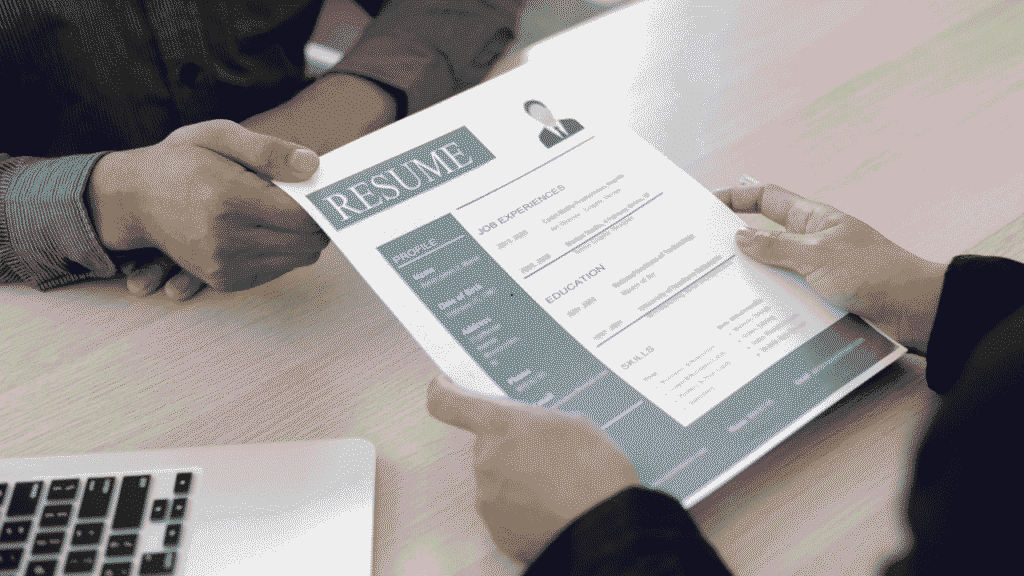
I used to attach my references to every application. I thought it made me look professional. It actually made me look desperate and clueless.
Sending references with your initial application is like proposing marriage on a first date. It’s weird, it’s pushy, and it makes people uncomfortable.
The perfect time is when you can taste the job offer. It’s when they start talking about “next steps” and “onboarding processes.” That’s when you casually say “I’m really excited about this opportunity. I’ve got some people who can tell you more about what I’m like to work with if that would be helpful.”
See the difference? You’re not begging. You’re offering valuable information at exactly the right moment.
The Awkward Phone Call You Need to Make

Stop texting people. Seriously. Just stop.
You need to call. Yes, it’s uncomfortable. Yes, you’ll feel awkward. Do it anyway.
Here’s what I actually say – complete with all the “ums” and “you knows”:
This isn’t rocket science. You’re reminding them who you are, you’re giving them a specific story to tell, and you’re making them feel good about helping you.
Stop Making Your Reference Sheet Look Like a Robot Wrote It
Don’t just list names and numbers. Make it useful.
Instead of:
John Smith
Manager
555-1234
Write:
John Smith
Manager at XYZ Company
555-1234
John was my manager during the 2022 system overhaul and saw how I handle high-pressure situations and tight deadlines.
That one extra sentence turns your reference from a name into a story.
The Real Truth Nobody Tells You
All of this – the timing, the phone calls, the reference sheet – it’s all surface level. The real secret is this: references work when you’re not actually looking for a job.
The best references come from people you genuinely like and keep in touch with. The coworker you grab coffee with every few months. The former boss you send interesting articles to. The colleague you helped through a tough time.
When you treat people like human beings rather than potential references, asking for help doesn’t feel like a transaction. It feels like a friend helping a friend.
And at the end of the day, that’s what this is all about. Your resume gets you in the door. Your interview gets them interested. But your references? They’re the people who look the hiring manager in the eye and say “Trust me, this person is the real deal.”